
Best Digital Transformation Services, Minus the Buzzwords
Best digital transformation services without the buzzwords: modernize legacy systems and manual workflows, and choose a partner who ships real change.
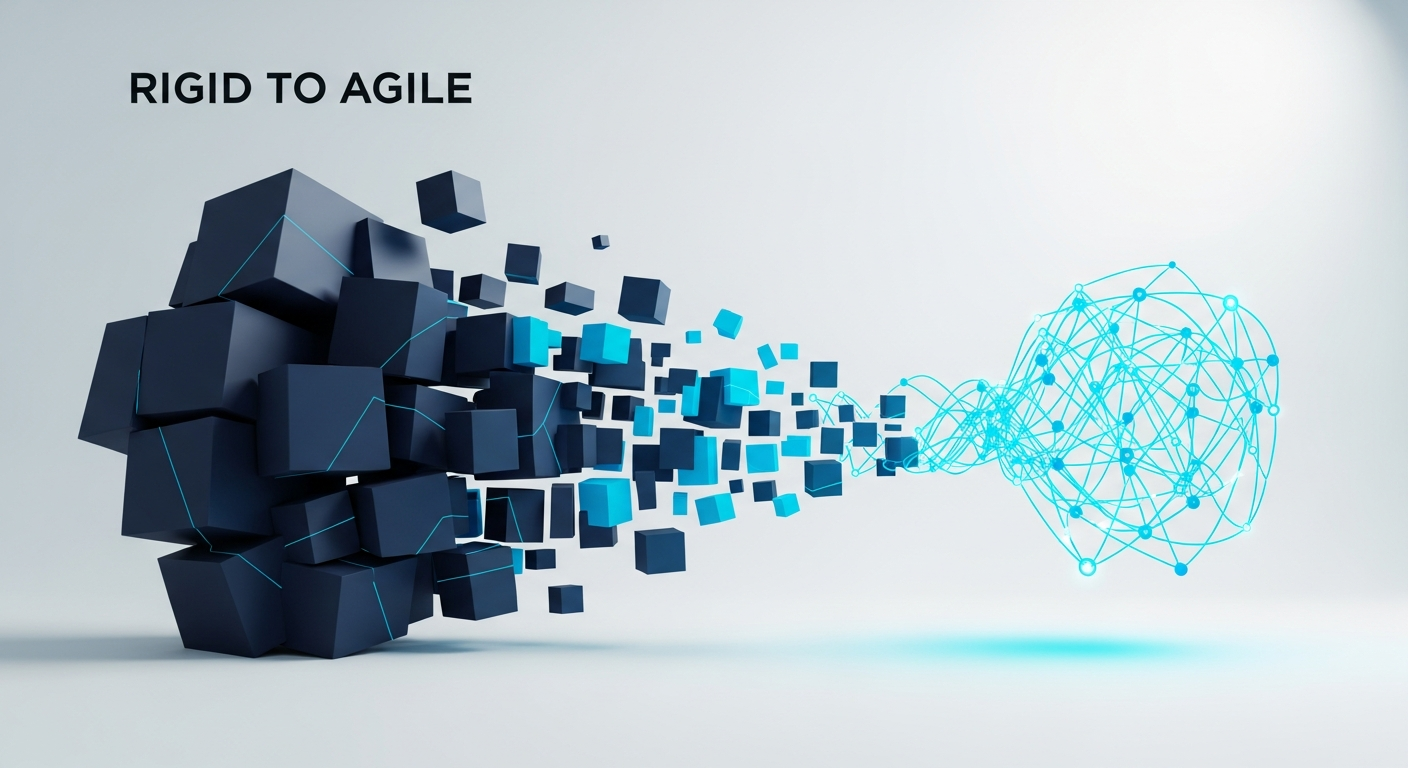
Time to correct a misconception. "Digital transformation" has been stretched until it means almost nothing — but the work underneath is concrete and worth doing. If you're searching for it, you're really asking a simpler question: how do we replace the slow, manual, aging parts of how we work?
What Digital Transformation Actually Means
Under the buzzword is specific engineering. Replacing a spreadsheet that runs a critical process. Modernizing an aging application no one wants to touch. Connecting systems that currently rely on someone copying data between them. Turning manual steps into software.
That's the version worth paying for. Not a transformation program with workstreams and a change-management office, but specific systems and workflows made faster, cheaper, and less error-prone. The best digital transformation services point at a real bottleneck, fix it, then move to the next one.
- Replacing spreadsheets and manual steps that run critical processes
- Modernizing legacy applications that are slow, fragile, or unsupported
- Connecting systems that don't talk to each other today
- Automating handoffs so work moves without someone shepherding it
Why the Buzzword Version Fails
Big transformation programs stall for predictable reasons. They start with strategy instead of a working deliverable, so months pass before anyone sees software. They try to change everything at once, so risk piles up. And they're staffed with layers of management between the decision-makers and the people writing code.
We do the opposite. Find the part of your operation that hurts most, scope it honestly, ship a working improvement you can use. Real change comes from shipping something, learning, and shipping the next thing. Outcomes you can measure beat roadmaps you can't.
How to Choose a Transformation Partner
Watch the language. A partner who immediately talks about specific systems, data, and workflows is thinking about delivery. One who talks mostly about culture, maturity models, and multi-year vision is selling a program. Both exist. Only one usually fixes your actual bottleneck this quarter.
Ask how soon you'll see working software, who you'll talk to day to day, and what happens to the code afterward. The honest answer to "when do we see something real" should be weeks, not months.
- How soon will we see working software, not slides?
- Who do we talk to day to day — engineers or account managers?
- Do we own maintainable code at the end?
- How do you scope to reduce risk instead of changing everything at once?
How Sweent Approaches It
We're a small, senior, US-based team. We work as an embedded team or a project-based partner, and you talk directly to the engineers doing the work. We modernize legacy applications, build the software that replaces manual workflows, design and integrate APIs between systems, and add practical automation where it removes real work.
We're a good fit if you have a concrete operational pain and want it fixed by people who write production code. We're not the right fit if you want a large advisory program heavy on strategy and light on shipping.
The Real Tradeoff
You can start with a strategy that takes months to produce its first line of code, or with a working fix to your worst bottleneck in weeks. We pick the second every time — one workflow or system, modernized and shipped, before we expand. Less risk, faster proof.
Frequently Asked Questions
-
What does digital transformation really mean?
In practice it means modernizing aging applications and replacing manual workflows with software. The useful version is concrete: fix the spreadsheet running a critical process, connect systems that don't talk, and automate handoffs — not launch a vague program.
-
Why do big transformation programs fail so often?
They start with strategy instead of working software, try to change everything at once, and bury engineers under layers of management. We do the reverse: find the worst bottleneck, ship a working fix, then move to the next one.
-
Can you modernize our legacy systems without a full rewrite?
Often, yes. Many legacy systems can be modernized incrementally — improving the worst parts, adding integrations, and replacing manual steps around them. We scope honestly and recommend a rewrite only when the math actually supports it.
-
How soon will we see results?
Weeks, not months. We start narrow with one workflow or system, ship a working improvement you can use, and measure it before expanding. That keeps risk low and gives you real proof early.
Related Articles
-

Digital Transformation Services for Tech Companies
For tech companies, transformation means modernizing and scaling the software you already own — not a readiness program. Honest help from senior engineers.
-
AI Consulting Services in Daytona Beach, Florida
Practical AI consulting for Florida businesses — figure out where AI actually helps, then build it. LLM integration, RAG, and automation from working engineers.
-
Best WordPress Development Services: Fast, Secure, Custom
WordPress built as serious software: performance, security, and real custom functionality from a WP Engine partner, with clean code you own.