The Best WordPress Developer in Daytona Beach, Florida
WordPress developer in Daytona Beach, FL — performance, security, custom plugins, and maintenance from a WP Engine partner, not just a theme installer...
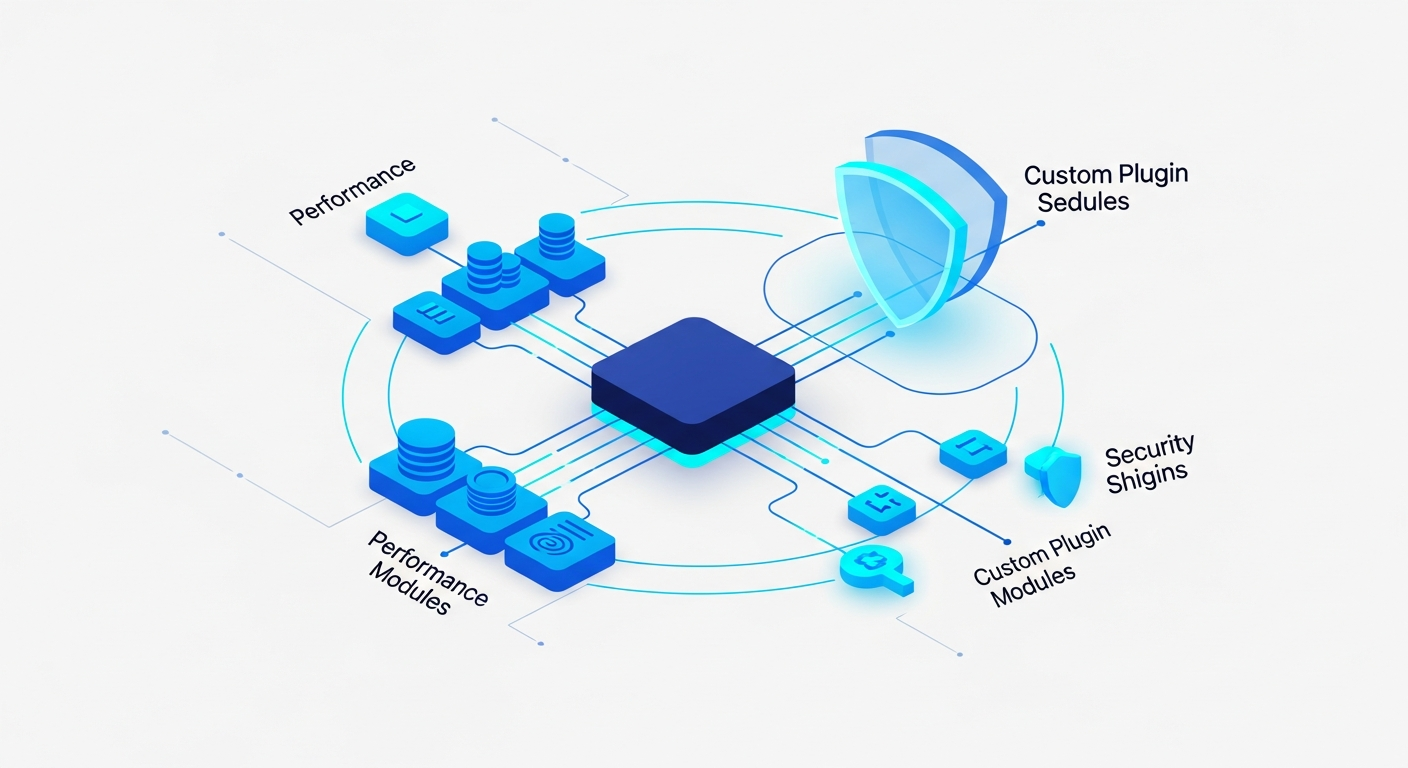
A WordPress developer gives you the half of WordPress most people never reach: custom plugin work, real performance tuning, hardened security, and maintenance that keeps the site from quietly rotting. Anyone can install a theme. Making WordPress do exactly what your business needs, fast and safely, year after year — that's the developer's job, and it's a different job entirely.
Developer Work, Not Theme Work
Installing a theme and picking colors is design. Developing on WordPress means going into the code: building custom post types and fields so your content is structured the way your business thinks, writing custom plugins when the marketplace doesn't have what you need, and fixing the performance and security problems that themes can't touch. Most WordPress trouble — slow pages, breaches, plugins at war with each other — is a development problem dressed up as a platform problem.
What We Handle as WordPress Developers
- Custom plugins built to spec when off-the-shelf doesn't fit, instead of stacking five that almost do
- Performance tuning — caching, image optimization, a lean plugin set, real load testing
- Security hardening, from login protection to clearing out abandoned plugins
- Custom post types and fields so editors get a clean, structured admin
- Accessibility to WCAG 2.1 AA, tested with real screen readers rather than a scanner
- Maintenance — updates, backups, and monitoring, so small problems don't become breaches
Why Custom Plugins Beat Plugin Soup
The instinct, when WordPress almost does something, is to install another plugin. Do that enough times and you've got a slow, fragile site where every update is a gamble and any one of a dozen authors could abandon their code and leave you exposed. A purpose-built plugin that does one thing well is faster, safer, and far easier to maintain than five generic ones duct-taped together. Knowing when to build instead of install is a big part of what separates a developer from an installer.
The Maintenance Nobody Sells You
A WordPress site is software, and software needs upkeep. Core releases, theme updates, and plugin patches land constantly, and most breaches we get called to clean up trace back to an update someone skipped for a year. Performance drifts too — images pile up, a new plugin slows the homepage, caching falls out of tune. Real WordPress development includes a plan for keeping the site healthy after launch, not just a handoff and a wave goodbye.
How a Project Runs
- We figure out what WordPress needs to do that it doesn't do today.
- You get a fixed scope and price, with any custom plugin work called out clearly.
- We build and tune for speed, security, and accessibility, then test under real conditions.
- We host and maintain on WP Engine, or document everything and hand it over.
We're a WP Engine partner with senior, US-based engineers, which means the hosting, caching, and security layers that make WordPress behave are part of how we work, not an afterthought. We build custom React sites too, so we're not married to WordPress — we use it where it's the right tool and develop it properly when we do.
Here's how to tell a good WordPress developer from a theme installer: the good one can write you a custom plugin, explain exactly why your site is slow, and show you a maintenance plan — the installer just asks which template you liked.
Frequently Asked Questions
A designer handles how the site looks. A developer handles how it runs — custom plugin work, performance tuning, security hardening, custom post types, and the code-level fixes a theme alone can't reach. When you need WordPress to do something it doesn't do out of the box, that's developer territory, not designer territory.
Yes. When an existing plugin almost fits but not quite, or when you need behavior nothing on the market provides, we build a custom plugin to spec. That's usually cleaner and safer than stacking five off-the-shelf plugins to fake the feature, and it keeps your site faster and easier to maintain.
Speed comes from quality hosting, a lean plugin set, caching, optimized images, and a theme that isn't fighting itself. Security comes from staying updated, hardening logins, and removing the abandoned plugins that are the usual way in. As a WP Engine partner we handle the hosting layer that makes both far easier to keep right.
Yes. WordPress is not a build-it-and-leave-it platform — core, themes, and plugins all need regular updates, and skipping them is how sites get breached. We offer maintenance plans that handle updates, backups, monitoring, and small changes, or we hand you a documented site to run yourself.