Affordable Website Design Services in Daytona Beach, FL
Affordable website design in Daytona Beach, FL — what it really costs over time, where to save safely, and where a cheap build bites you later.
Here's the trap most small businesses fall into: you go looking for a cheap website, you find a two-hundred-dollar template, it looks fine for a year, and then it's slow, you can't edit it, support has gone quiet, and you're paying someone to rebuild the thing you already paid for. The sticker price was low. The real price wasn't.
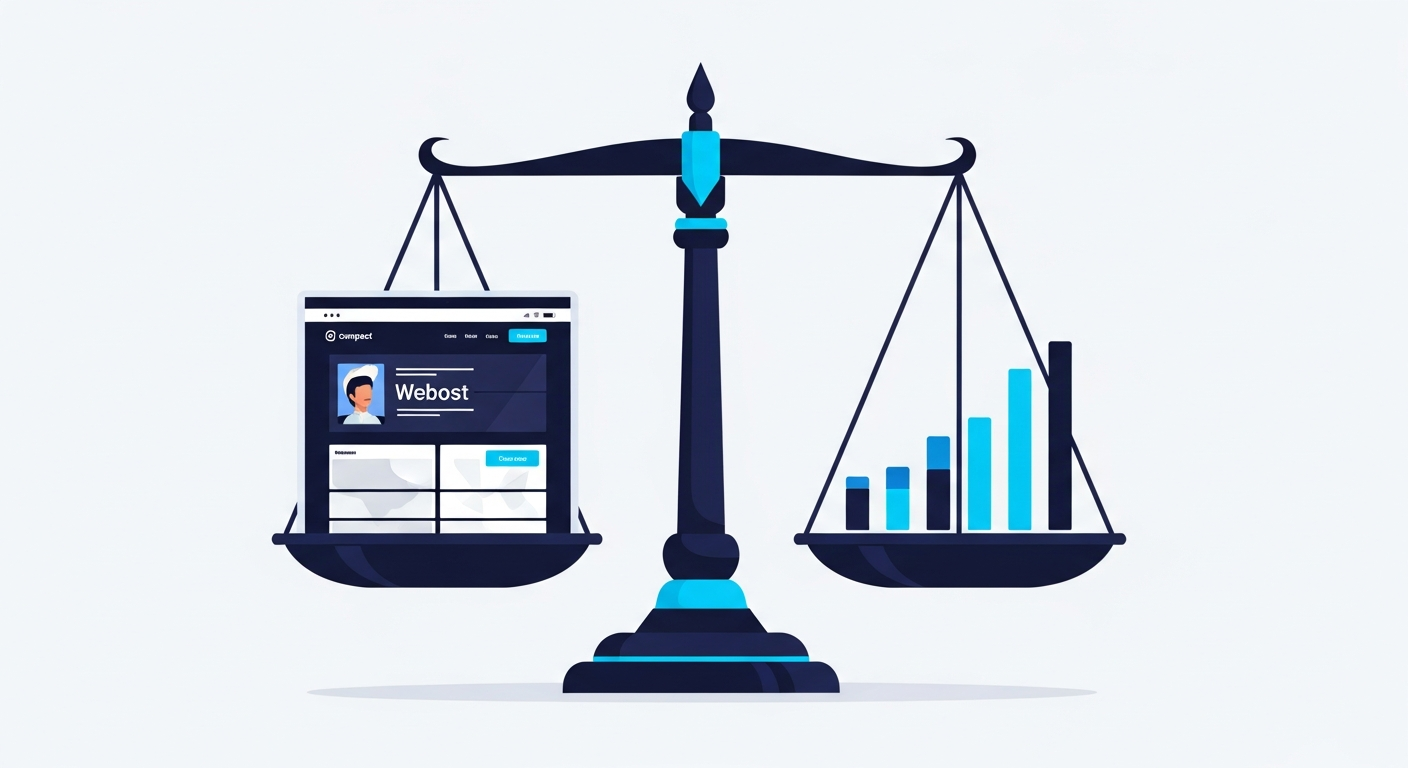
Affordable Means Cheapest Over Years, Not on Day One
A website isn't a one-time purchase. You'll run it for years, update it, and eventually replace it. The honest way to compare options is total cost across that whole life — design, hosting, the changes you'll want, and how soon you'll need a rebuild. By that math, the bargain build is often the most expensive choice on the list. A clean site that lasts five years at a fair price beats a cheap one you scrap in eighteen months, every time.
Where Spending Less Is Genuinely Smart
- Use a clean, professional design built on stock imagery instead of custom illustration
- Launch with the pages you need now and add more as you grow
- Pick a content setup your team can edit, so simple text changes don't cost you a fee
- Reuse proven layout patterns rather than paying to design every page from zero
- Pick hosting that fits your actual traffic instead of an oversized plan you won't use
- Hold off on integrations and custom features until you genuinely need them
None of those choices hurt the result. They just trim the parts you don't need yet.
Where Cheap Comes Back to Bite
Three areas are false economies. Performance — a site that loads slowly on a phone loses visitors and ranking before they ever read a word. Accessibility — an inaccessible site shuts out real customers and can turn into a legal headache. Ownership — a build you don't fully control becomes a hostage situation the day you want to switch. Save on those and you'll pay more, just later and with interest.
A Realistic Picture of the Numbers
For a small business, expect a one-time build in the low-to-mid four figures for a clean, well-made marketing site, then a modest yearly run cost for hosting, the domain, and occasional updates. The do-it-yourself builder route is cheaper upfront and fine for a hobby or a placeholder. The expensive surprises come from the middle ground — a cut-rate "custom" job that's neither cheap enough to throw away nor good enough to keep.
How We Keep It Affordable Honestly
- We learn what the site truly needs to do, then cut everything that's just nice-to-have.
- You get a fixed price up front, with the optional add-ons clearly separated.
- We build on solid, maintainable tools so the site lasts instead of needing a redo.
- You own all of it — code, domain, hosting, logins — so there's no exit fee disguised as loyalty.
We're a WP Engine partner with senior US-based engineers, and we'll tell you when a simple template really is the right call for your budget rather than upselling you into something bigger.
The real tradeoff is this: pay a bit more now for a site that lasts and that you own, or pay less now and more later when the cheap one fails. Pick the one you can live with for the next five years, not just the next five minutes.
Frequently Asked Questions
A straightforward small-business site usually lands in the low-to-mid four figures one time, plus a smaller yearly amount for hosting, a domain, and occasional updates. The cheapest builder-and-template route can be a few hundred dollars, but you pay for it later in slow pages, no support, and a rebuild sooner than you'd like.
Cheap is the lowest sticker price. Affordable is the lowest total cost over the years you'll actually run the site. A two-hundred-dollar template that you replace in eighteen months because it's slow and unmaintainable was never the affordable option, even though it looked like it on day one.
Skip custom illustration and stick to a clean stock-based design, start with fewer pages and add later, and use a content system your team can edit so you're not paying for every text change. Those choices cut cost without hurting the things that matter.
Performance, accessibility, and ownership. A slow site loses visitors and rankings, an inaccessible one can become a legal problem, and a site you don't own becomes a trap when you want to leave. Saving on those three almost always costs more than it saves.