ADA Consultant in Daytona Beach, Florida
Hiring an ADA consultant in Daytona Beach, Florida? Understand the role — audit, VPAT documentation, guidance — and the questions to ask before you si...
Should you hire an ADA consultant, or just tell your developer to "make the site accessible"? It's a fair question, and the answer turns on what you actually need. If you need someone to write code, you need a developer. If you need someone to tell you where you stand, prove it on paper, and advise what to fix first — that's the consultant's job, and it's a different skill.
Here's what the role really covers, and how to hire well.
What The Consultant Role Is
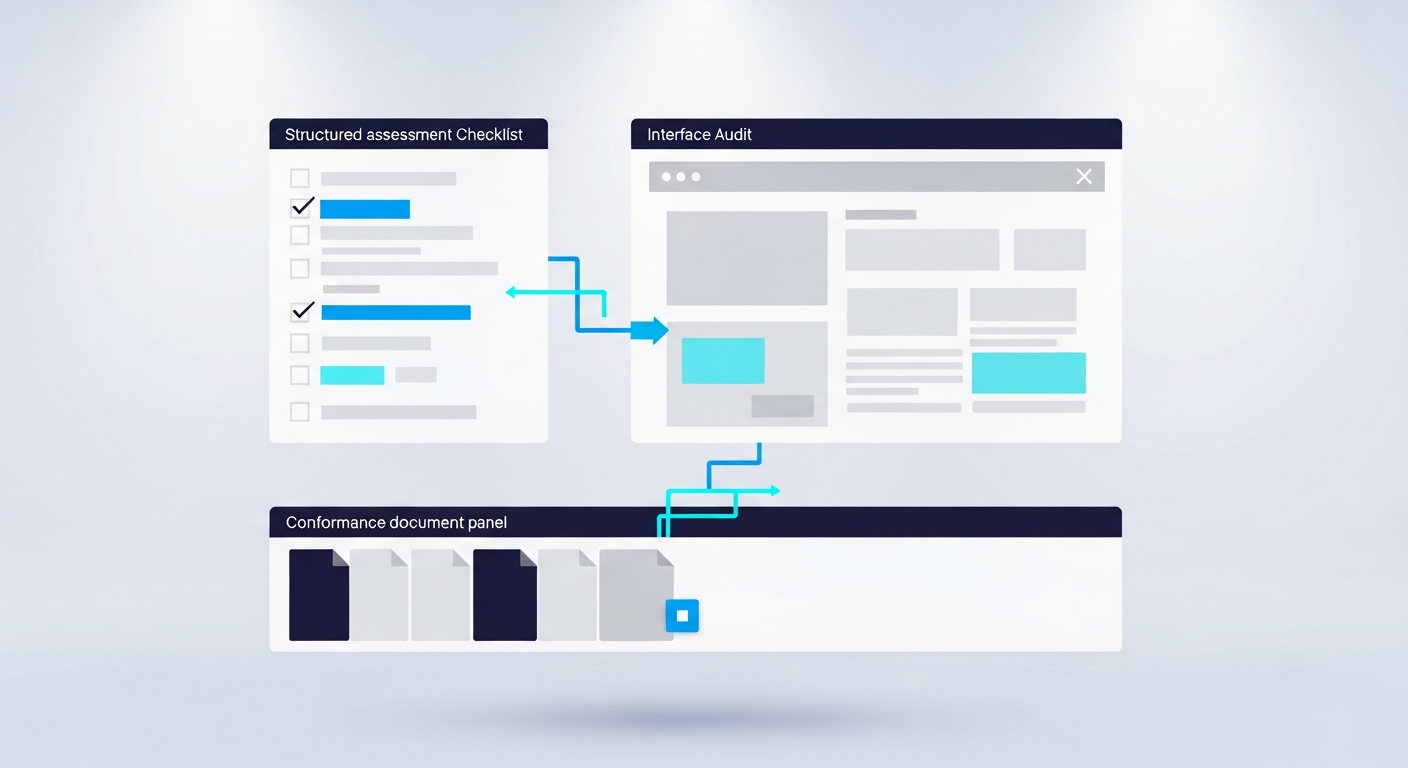
An ADA consultant assesses and documents; they don't necessarily build. The work splits into a few clear pieces:
- Assessment — testing your site against a standard (WCAG 2.1 AA in practice) to establish exactly where it conforms and where it doesn't.
- Explanation — translating findings into plain terms: what's broken, who it shuts out, and how exposed you are.
- Documentation — producing the artifacts you can hand to a buyer, a procurement officer, or your own counsel.
- Guidance — a prioritized path: what to fix first for the most risk reduction and the least effort.
Notice what's not automatically included: the fixing. Some consultants advise and stop. Worth knowing which kind you're hiring.
From Audit To VPAT
The audit is the snapshot — a manual evaluation, ideally with NVDA and VoiceOver in the mix, not just an automated scan that misses most of what matters. The VPAT is what often comes next. It's a standardized document stating how your product measures up against WCAG and Section 508, and it's the thing large buyers, universities, and government agencies ask for during procurement. If you're losing deals to an accessibility question on a vendor form, a credible VPAT is frequently what clears the hurdle.
A consultant who can take you from audit to a defensible VPAT is doing the part that has business value, not just technical value.
What The Documentation Actually Buys You
A finding list helps your developers. A VPAT helps your sales team and your lawyers. They serve different readers, and a strong consultant produces both. The audit findings are the work order — specific, technical, prioritized. The VPAT is the public-facing claim, written in the standardized format procurement officers recognize, that says here is exactly how this product measures up, criterion by criterion. When a large buyer's accessibility reviewer opens it, they're checking for honesty and detail, not a green checkmark. A VPAT padded with "supports" on rows that clearly don't will do more harm than no VPAT at all, so the documentation is only as good as the testing behind it.
Questions To Ask Before You Sign
Use these to separate the real ones from the resellers of a scanning tool:
- Do you test manually with actual screen readers, or only run automated scans?
- Can you produce a VPAT, or do you only deliver a list of issues?
- Do you help remediate, or just diagnose — and if the latter, who fixes it?
- Which standard and version do you audit against?
- How do you help us stay accessible after the audit, not just pass it once?
If the answers are confident and specific, good. If they're hand-wavy, keep looking.
Where Sweent Fits
We work as the kind of accessibility consultant who can also see the fix through — auditing to WCAG 2.1 AA with real screen-reader testing and producing VPAT documentation, with the engineering depth to remediate rather than just report. We're based in Daytona Beach and have done this work for organizations that had to satisfy serious procurement scrutiny.
So before you hire anyone, run them through the five questions above. The right consultant will welcome them.
Frequently Asked Questions
An ADA consultant evaluates and documents, where a developer builds. The consultant role is to assess your site against accessibility standards, explain where you stand and why it matters, produce the documentation you can show buyers or counsel, and advise on what to fix first. Some consultants stop at advice; the most useful ones can also guide or do the remediation.
A VPAT — Voluntary Product Accessibility Template — is a standardized document stating how your product conforms to accessibility standards like WCAG 2.1 AA and Section 508. You need one most often when selling to government agencies, universities, or large organizations that require it during procurement. If buyers keep asking 'is it accessible?', a VPAT is the answer they actually want.
Ask whether they test manually with real screen readers or just run a scanner. Ask whether they can produce a VPAT, not just a list of issues. Ask whether they can help remediate or only diagnose. And ask which standard and version they audit against — WCAG 2.1 AA is the practical benchmark today. Vague answers to any of these are a warning sign.
An audit is a snapshot. The moment you ship new content or features, you can introduce new barriers, so accessibility is really a practice, not a one-time certificate. A good consultant sets you up to keep it up — sensible patterns, a few checks in your process — rather than selling you the same audit every year.