Accessibility Audit Cost: What an A11y or 508 Audit Runs
Accessibility audit cost explained: real price ranges by site size and page count, what a WCAG or Section 508 audit includes, and how remediation cost...
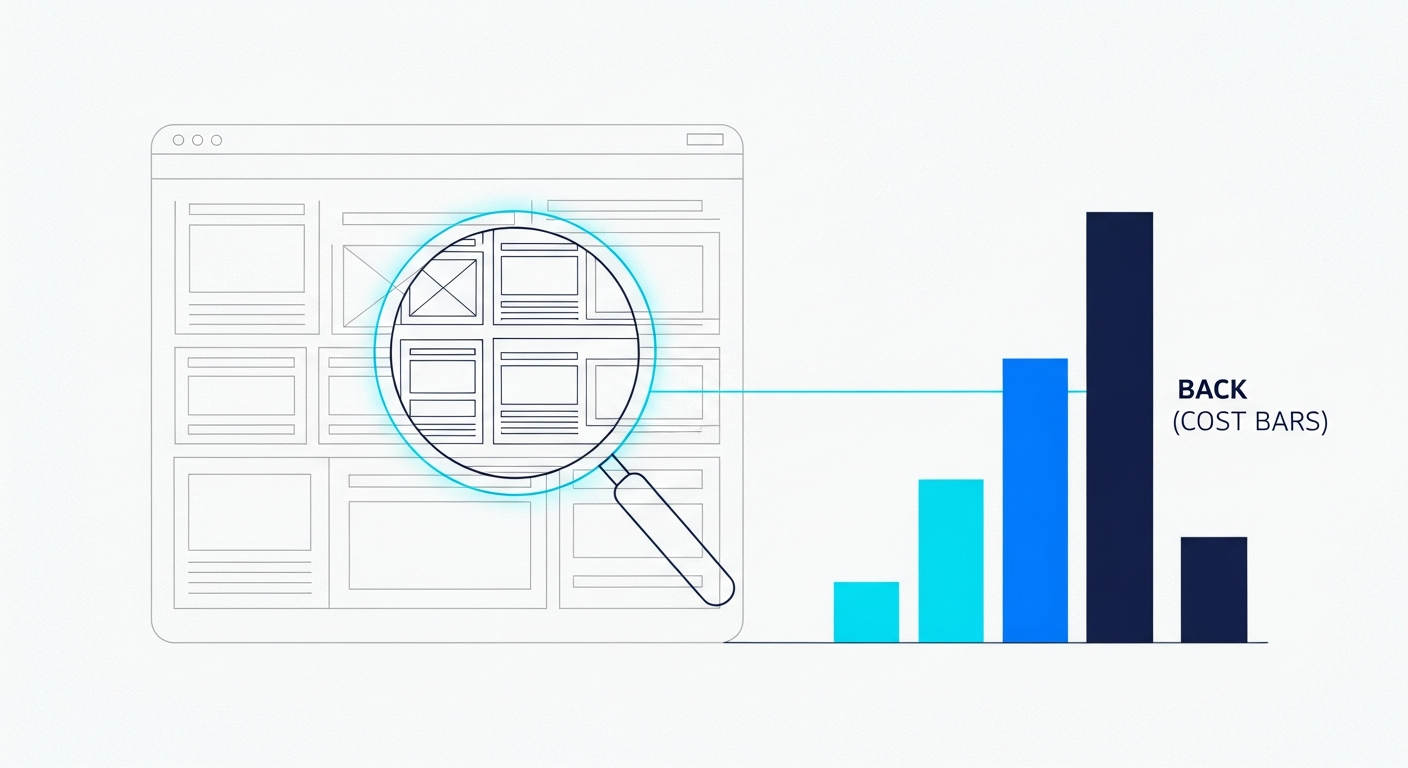
An accessibility audit typically costs between $3,000 for a small, simple site and $30,000 or more for a large, interactive application — and the price is set almost entirely by scope, not by a flat rate. The thing being measured isn't how many pages you have. It's how many genuinely different page types and interactive components a person has to test by hand.
Audit Ranges by Scope
These brackets give you a realistic anchor:
| Site or app size | Typical audit cost | Rough scope |
|---|---|---|
| Small site | $3,000–$8,000 | A handful of page types, light interactivity |
| Mid-size site | $8,000–$18,000 | Several templates, forms, navigation |
| Large application | $30,000+ | Many components, complex flows, dynamic content |
A two-hundred-page site built from six templates can sit at the low end, while a ten-screen web app full of custom widgets sits high. Page count is a misleading number; distinct page types and components is the one that matters.
What an Audit Actually Includes
A real audit evaluates your site against a standard — usually WCAG 2.1 AA, which Section 508 references — and documents every gap with severity and a recommended fix. The credible ones combine two methods. Automated scanning catches the easy, mechanical issues, but it only finds roughly a third of what's actually wrong. The rest comes from manual testing: navigating with a keyboard only, running an actual screen reader, checking focus order, contrast, and labeling the way a disabled user would experience them. If a quote is suspiciously cheap, it's usually automated-only, and it will miss the issues that truly block people.
Audit vs Remediation: Two Different Bills
People conflate the two and then get surprised. The audit is the diagnosis — find and document the problems. Remediation is the treatment — fix them in the code. The audit is the smaller, more predictable line item. Remediation is the larger, more variable one, because the cost depends on how many issues the audit turns up and how deeply they're baked into the build. A site with a few labeling gaps is cheap to fix; one with an inaccessible component framework can cost more to remediate than it did to build. Budget for both, and expect the fixes to outweigh the audit.
The VPAT Question
If you sell to government or institutional buyers, you'll likely be asked for a VPAT — a conformance report describing how your product meets the standard. Produced alongside an audit, it's a modest add-on because the testing is already done. Ordered cold, it costs more, since someone has to do the evaluation first anyway.
How to Tell a Good Auditor From a Bad One
The tell is in the method. A good auditor does manual keyboard and screen-reader testing by a real person, prioritizes findings by user impact, and hands you fixes you can act on — not a raw tool export. A bad one runs a scanner, exports a PDF, and calls it an audit. Ask exactly how they test and what the deliverable looks like before you commit. Sweent performs WCAG 2.1 AA audits with real assistive-technology testing and produces VPATs, with remediation scoped separately once the findings are in.
Frequently Asked Questions
A focused audit of a small site or app commonly runs $3,000 to $8,000. Mid-size sites land around $8,000 to $18,000, and large or complex applications reach $30,000 or more. The number tracks how many unique page types and interactive components have to be tested, not the raw page count.
An audit finds and documents the accessibility problems against a standard like WCAG 2.1 AA. Remediation is the work of fixing them. The audit is the smaller, predictable cost; remediation is the larger and more variable one, since it depends on how many issues exist and how deep they go.
Because a hundred pages built from five templates take far less effort to audit than ten genuinely unique, interactive pages. Auditors price by distinct page types and components — forms, menus, modals, data tables — since those are what actually need separate testing.
Automated tools catch only a fraction of real accessibility issues, often cited around a third. A credible audit pairs automated scanning with manual keyboard and screen-reader testing by a person, because the issues that block real users tend to be the ones tools miss.
A VPAT — the accessibility conformance report often required for government or institutional buyers — is usually a few thousand dollars when produced alongside an audit, since the testing is already done. Ordered separately, it costs more because the underlying evaluation has to happen first.